
Neuropathy treatment in Dallas — reclaim your life from nerve pain
If you have been diagnosed with peripheral neuropathy, you shouldn't have to accept numbness, tingling, and burning as your new normal. Our structured, multi-modal program targets the contributors to nerve pain — combining PEMF, red light therapy, cold laser, nutritional support, and physical therapy. Individual results vary.
If you have been diagnosed with peripheral neuropathy and you’re looking for a program that targets the root contributors to nerve damage rather than masking symptoms with medication, you’re in the right place.
What is peripheral neuropathy?
Peripheral neuropathy is damage to the nerves outside the brain and spinal cord — the peripheral nervous system. These nerves carry signals between your body and brain, controlling sensation, movement, and organ function. When they’re damaged, communication breaks down. The result? Pain, numbness, weakness, and a declining quality of life that can make even simple daily tasks feel overwhelming.
Common symptoms
- Tingling or “pins and needles” in hands and feet
- Burning or stabbing pain, especially at night
- Numbness that makes it hard to feel temperature or injuries
- Muscle weakness and difficulty with balance or coordination
- Sharp, shooting pain triggered by light touch or pressure
- Loss of reflexes, particularly in the ankles
- A feeling of wearing invisible socks or gloves
These symptoms typically start in the feet and hands and progress inward over time. Left untreated, peripheral neuropathy can lead to falls, wounds that won’t heal, infections, and even amputation — particularly in diabetic patients.
Neuropathy isn't a single condition
It has many causes, and identifying yours is essential to effective treatment. We build your plan around your diagnosis and history — not guesswork.
Diabetic neuropathy
The most common cause. Chronically elevated blood sugar damages nerve fibers over time. About one-third to one-half of people with diabetes have peripheral neuropathy (NIDDK).
Idiopathic neuropathy
In roughly 30% of cases, no identifiable cause is found. That doesn't mean it can't be treated.
Chemotherapy-induced (CIPN)
Many chemotherapy drugs are toxic to peripheral nerves. Symptoms may appear during or after cancer treatment.
Age-related neuropathy
Natural degeneration of nerve fibers and reduced blood flow as we age.
Autoimmune neuropathy
Conditions like lupus, rheumatoid arthritis, and Guillain-Barré syndrome can trigger nerve damage.
Nutritional deficiencies
Low levels of B vitamins (especially B12), vitamin E, or copper can cause or worsen neuropathy.
Compression & trauma
Carpal tunnel syndrome, injuries, and repetitive stress are common mechanical causes.
Toxin & medication exposure
Alcohol, heavy metals, and certain prescription drugs can damage nerves.
A multi-modal approach that works
Most conventional neuropathy treatment focuses on symptom control: gabapentin, pregabalin, or antidepressants to dull the pain. While those medications have a role, they don’t address the underlying nerve damage. Our program takes a different approach — combining multiple modalities to target the root mechanisms of nerve pain: reduced blood flow, inflammation, and impaired nerve signaling. Our protocol modalities are based on a clinical study, and the patients we’ve treated have reported good results. These modalities are cash-pay and are not typically covered by insurance. Individual results vary.
What’s included in the program
Each patient’s plan is customized, but the program typically incorporates:
- PEMF (pulsed electromagnetic field) therapy — aims to support nerve signaling and reduce discomfort between sessions. Cash-pay.
- Red light therapy — used to support circulation and tissue recovery in the affected areas. Cash-pay.
- Cold laser therapy — low-level laser applied to the extremities as part of the protocol. Cash-pay.
- Nutritional & metabolic optimization — we assess B12, B6, folate, vitamin D, and other key nutrients, then build a targeted supplementation protocol to support nerve health from the inside out.
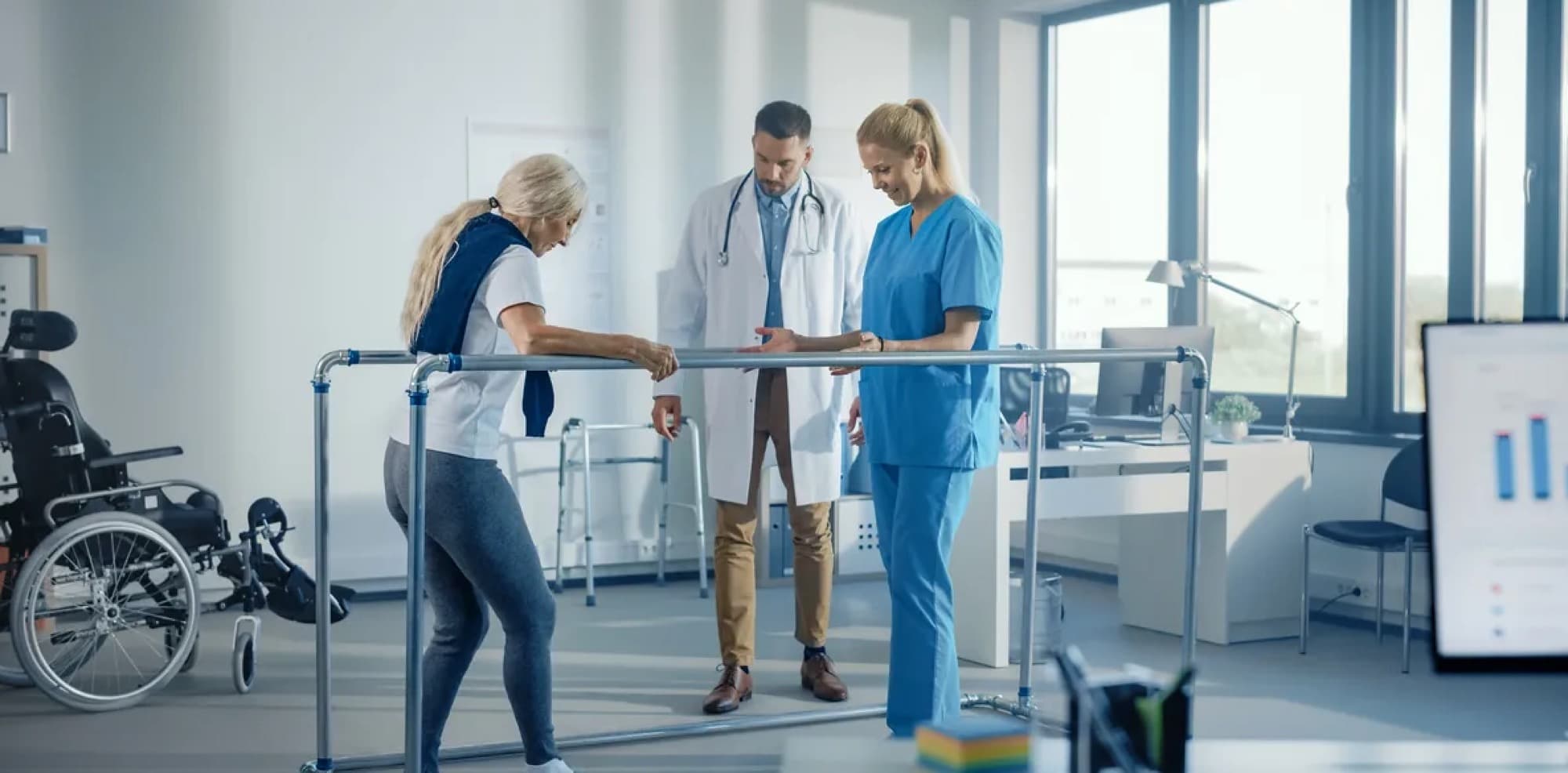
- Physical therapy integration — Rowena Calleja, PT works with neuropathy patients to improve balance, strength, and mobility — critical for preventing falls.
- Targeted medication review — Charles Ortega evaluates your current medications and adjusts or introduces treatments, always aiming for the minimum effective medication while addressing the underlying nerve damage.
- Lifestyle & metabolic counseling — guidance on diet and exercise, with a connection to our weight management program when metabolic factors are driving nerve damage.
Conventional vs. the Innovare Tx program
- Medication-focused (symptom masking)Root-cause approach, multiple modalities
- Single modalityMultiple synergistic therapies
- One-size-fits-allCustomized, structured protocol
- “Learn to live with it”Active treatment with improvement goals
- Fragmented careIntegrated team: PA-C + physical therapy
Are you a candidate?
Our program is designed for adults experiencing peripheral neuropathy from a variety of causes. You may be a strong candidate if you have:
- Diabetic neuropathy — numbness, tingling, or pain in feet or hands
- Chemotherapy-induced neuropathy that hasn't resolved
- Idiopathic neuropathy — nerve pain without a clear cause
- Age-related nerve degeneration or balance issues
- Failed previous treatments — gabapentin, Lyrica, others
- Early-stage neuropathy you want to stop before it worsens
Who may not be a fit
We’re transparent about expectations. Patients with complete nerve death (end-stage neuropathy with zero remaining nerve function) may have limited options. However, many patients who’ve been told “nothing can be done” still have viable nerve fibers that can respond to treatment. That’s why we start with a thorough clinical evaluation and a review of your diagnosis and history — to determine what’s realistic for you.
Your neuropathy treatment journey
Initial evaluation & review of your diagnosis
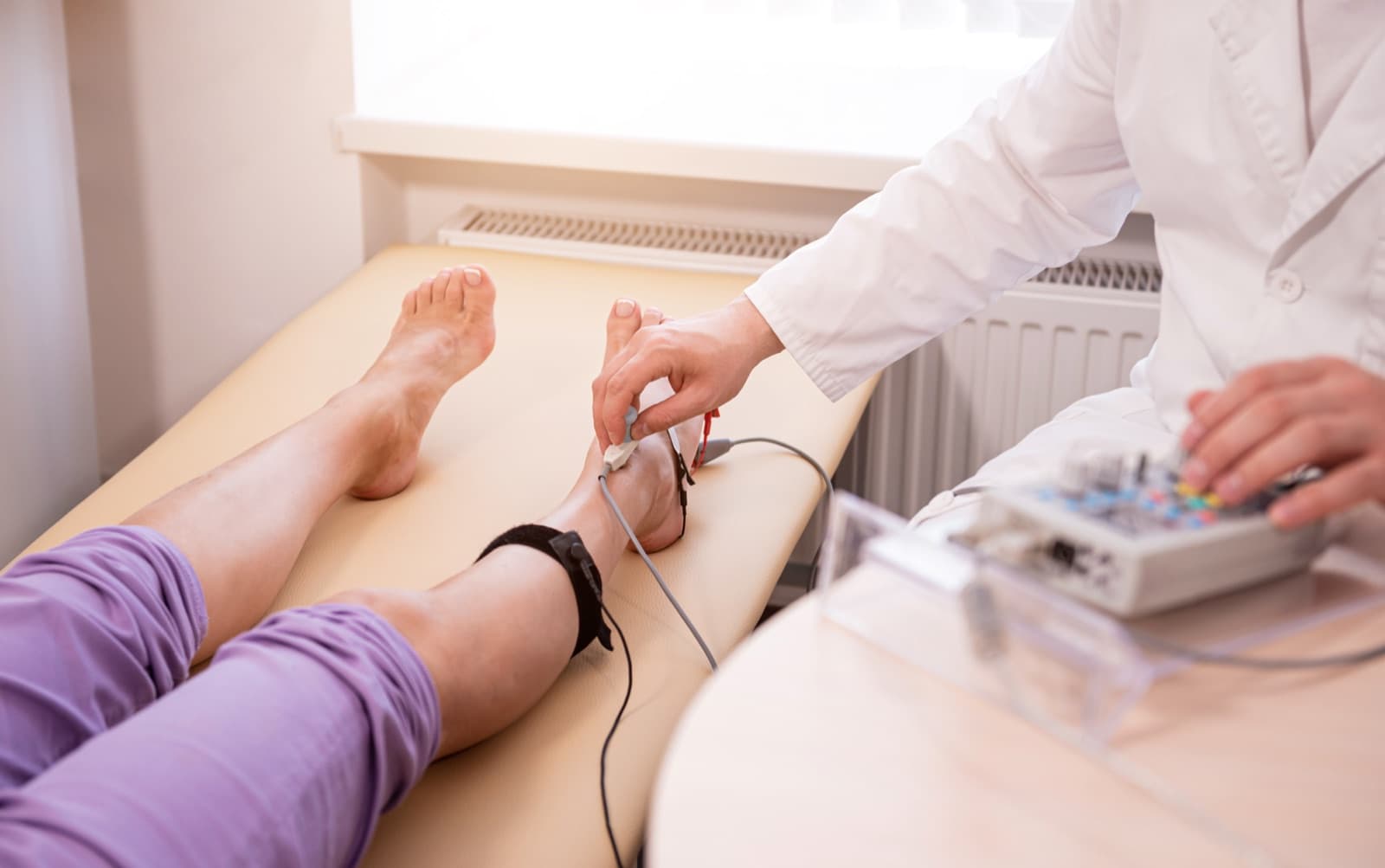
A thorough clinical evaluation for patients diagnosed with peripheral neuropathy — a review of your diagnosis, history, medications, labs, and lifestyle to build the right plan. If you need an EMG/nerve conduction study, we can coordinate that referral (typically billable to insurance).
Customized treatment plan
Based on your evaluation, Charles Ortega develops a personalized protocol, explaining every component, the expected timeline, and realistic goals for your case.
Active treatment phase
A structured program with multiple sessions per week over a defined period (typically 8–16 weeks), combining one or more treatment modalities each session.
Progress tracking & adjustments
We track your response through structured symptom and functional assessments — pain, sensation, sleep, balance, and mobility — and adjust your protocol as you progress.
Maintenance & long-term support
After the active phase, many patients transition to a maintenance protocol — periodic in-office sessions, at-home strategies, and ongoing physical therapy.
Charles Ortega’s approach
Charles Ortega, PA-C, MPAS brings 27 years of medical experience and a philosophy rooted in integrated, whole-person care. He’s not interested in managing your decline — he’s focused on restoring your function.
- Comprehensive evaluation — not a 10-minute appointment
- Root-cause identification — why your nerves are damaged
- Integrated treatment under one roof
- Progress tracked through structured symptom and functional assessments
- Patient education so you know what to do at home
Real tracking, not empty promises
We follow your response closely — here’s how we track your progress:
- Structured symptom and functional assessments at baseline, mid-treatment, and post-treatment
- Patient-reported tracking of pain, sensation, sleep, and mobility
- Fall-risk reduction measured through balance and gait assessments
- Medication reduction — many patients reduce or eliminate medications
We also offer autologous orthobiologic procedures
As a clinic that also provides orthobiologic procedures — including PRP and BMAC prepared from your own blood or bone marrow — we can discuss whether these autologous options fit into your care. Whether they are appropriate for you is determined through a clinical evaluation. They are not part of every patient’s plan, and any decision to pursue one is made with your provider.
PRP, PPP, BMAC, and A2M are autologous procedures prepared from your own blood or bone marrow. They are considered investigational and are not FDA-approved for the treatment of any specific orthopedic condition, including osteoarthritis. Individual results are not guaranteed. Any decision to pursue an orthobiologic procedure should be made with your provider after a clinical evaluation.
Effective treatment for everyday life
We believe in being transparent about cost. The protocol modalities — PEMF, red light therapy, and cold laser — are cash-pay and are not typically covered by insurance. Your office visits, labs, physical therapy, and any EMG/nerve conduction testing may be billable to insurance — we accept BCBS, Medicare, UHC, and Cigna. Our team verifies your benefits before treatment begins so there are no surprises, and we offer transparent self-pay pricing and financing for the cash-pay portions.
Coverage & payment
- Insurance accepted for office visits, labs & PT — BCBS, Medicare, UHC, Cigna
- EMG / nerve conduction studies — billable to insurance via referral
- Protocol modalities (PEMF, red light, cold laser) — cash-pay
- Affirm financing — manageable monthly installments
- CareCredit — healthcare-specific financing
Frequently asked questions about neuropathy treatment
Want to dig deeper? Read peripheral neuropathy treatment options on our blog.
Take the first step toward nerve relief
We'll test your nerve function, explain what's possible for your case, and give you an honest assessment — no pressure, no obligation.