

TL;DR: An autologous orthobiologic procedure is a single visit of 45 to 90 minutes: a blood draw or a bone marrow aspiration under local anesthetic, processing in a centrifuge while you wait, and an image-guided injection. No hospital stay, no general anesthetic, home the same day. PRP, PPP, BMAC and A2M are investigational and not FDA-approved for the treatment of any specific orthopedic condition, they are not covered by insurance, and whether you are an appropriate candidate is decided at an evaluation rather than over the phone.
Before you book anything
There is an order to this, and skipping it is the most common mistake. The evaluation comes first: someone examines the knee, looks at your imaging, and forms a view about what is driving the pain. Only then is there a finding to decide anything against. If a clinic will schedule you for a procedure from a phone call, that tells you what kind of clinic it is.
Read what the procedures actually are and who is and is not a candidate before the conversation, so the appointment is spent on your knee rather than on definitions.
Questions worth asking any clinic — including this one
- Is the material autologous — from me, for me — or does it come from a donor, an amniotic or umbilical product, or an exosome preparation? (Ours is autologous only.)
- Will the injection be placed under ultrasound or fluoroscopic guidance?
- Who performs the procedure, and who prepares the sample?
- What is the total cost, in writing, and what does it include?
- What is the regulatory status of what you are offering me? (The correct answer includes the word investigational.)
- What is the plan if this changes nothing?
A clinic that is comfortable with all six is a clinic you can have a real conversation with.
Sorting out the practical side beforehand
Bring the same paperwork you would bring to any medical appointment, plus your imaging reports and the dates of any injections you have had into the knee. Tell us about blood thinners, anti-inflammatory medication, and any bleeding disorder — those affect planning and need to be discussed in advance rather than mentioned at the door.
Get the cost in writing first. These procedures are cash-pay because their investigational status means insurers do not reimburse them, and you should never be asked to decide on the same day you first hear the number. How that works here is set out in costs and insurance.
The day itself
Plan for the appointment to take between 45 and 90 minutes from arrival to leaving. The sequence is:
- Check-in, and confirmation of the plan agreed at your evaluation
- A blood draw, or — for BMAC — a small bone marrow aspiration under local anesthetic, usually from the pelvis
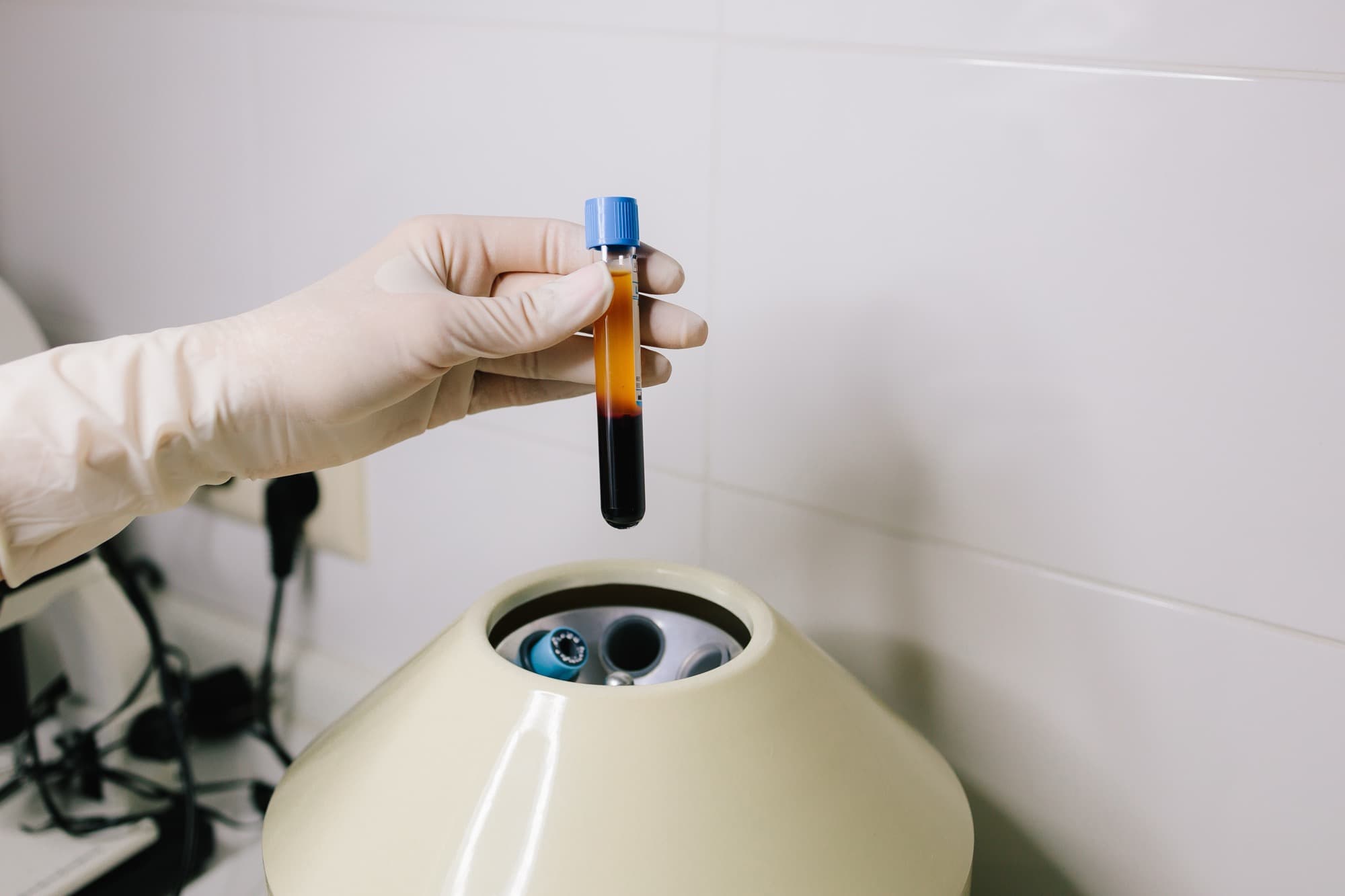
- Processing in a centrifuge in the clinic while you wait
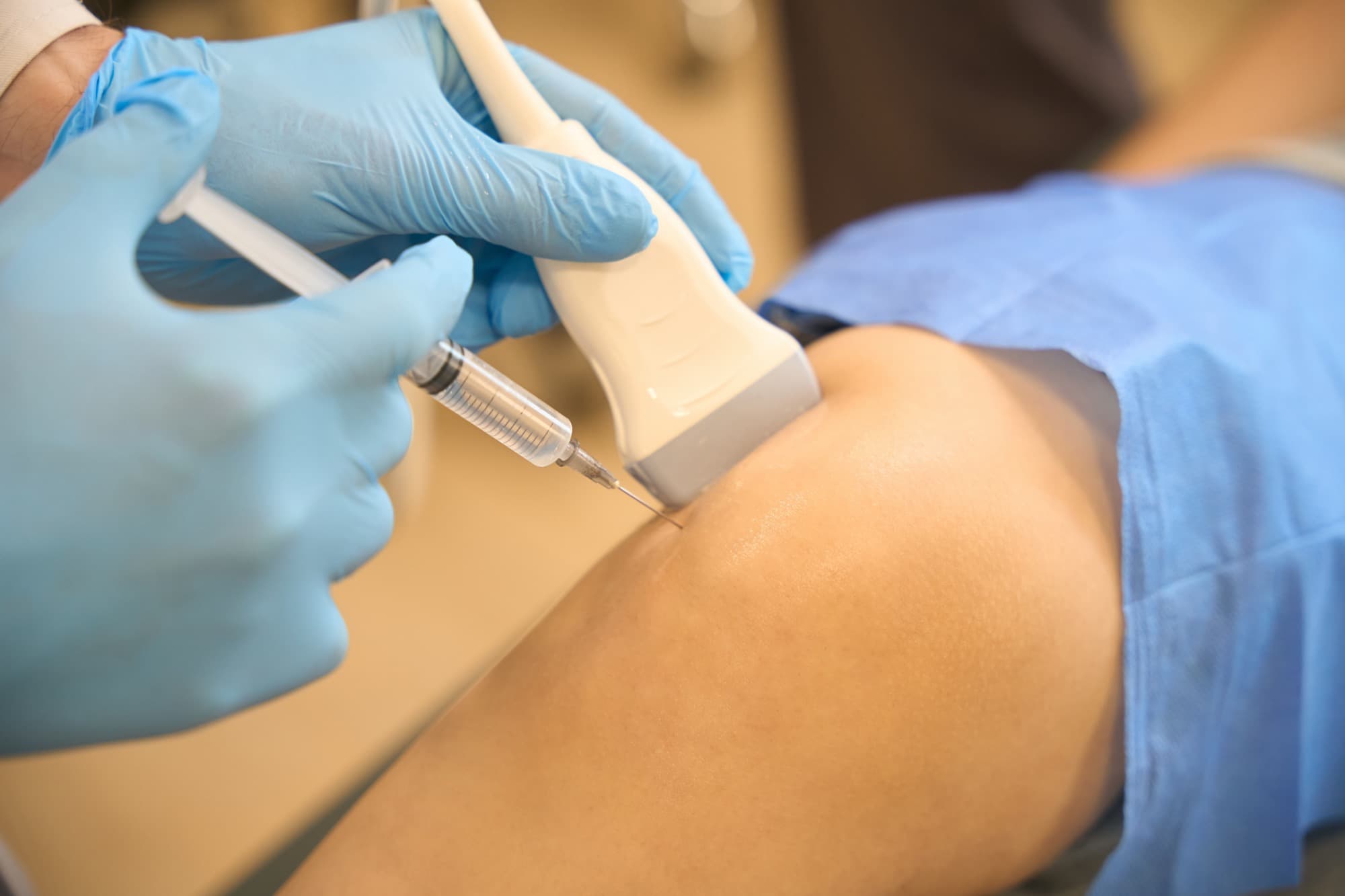
- An ultrasound- or fluoroscopy-guided injection
- A short rest, then home
Wear or bring something you can roll above the knee. Eat normally unless you have been told otherwise, and drink water — a well-hydrated patient is an easier blood draw. Arranging for someone to drive you is sensible, particularly for a marrow aspiration, even though you are not being sedated.
Afterward
Your provider will give you specific aftercare instructions and a follow-up appointment, and those instructions are the ones to follow rather than anything on a web page. Soreness around the injection site for a few days is usual. Anything that feels wrong — spreading redness, fever, increasing rather than decreasing pain — is a reason to call rather than to wait.
One thing worth setting expectations on: the rest of the plan does not stop. Strength, load management and the program you were already running continue, because they were never the part you were trying to replace. See knee physical therapy.
What nobody can promise you
These procedures are considered investigational and are not FDA-approved for the treatment of any specific orthopedic condition, including osteoarthritis. Individual results are not guaranteed. Any decision to pursue one should be made with your provider after a clinical evaluation, with a clear idea of what happens on each branch.
Does it hurt?
A blood draw is a blood draw. A bone marrow aspiration is done under local anesthetic and most people describe a deep pressure sensation rather than sharp pain. Soreness afterward at both the donor site and the injection site for a few days is common and expected.
How long should I wait before deciding it worked?
Your provider will set the follow-up interval, and the honest framing is that you are assessing a change against measurements rather than against memory. This is the same logic as the rest of the program: a date, a set of numbers taken at the start, and a comparison — see the knee evaluation.