TL;DR: Orthobiologic medicine (sometimes called “regenerative medicine”) refers to procedures that use biologic material from your own body — your blood or bone marrow. At Innovare Tx we offer autologous orthobiologic procedures: PRP, PPP, BMAC, and A2M, prepared from your own tissue and delivered in-office with image guidance. These procedures are considered investigational and are not FDA-approved for the treatment of any specific orthopedic condition. At Innovare Tx in Addison, TX, we also offer physical therapy, backed by 27 years of medical experience.
If you’re living with chronic joint pain, arthritis, or a nagging sports injury, you’ve probably been researching your options — from painkillers and steroid injections to physical therapy and surgery.
So what is orthobiologic medicine, and what do these procedures actually involve?
In this guide, we’ll explain what orthobiologic procedures are, how they are prepared and performed, and what a clinical evaluation involves. No hype — just clear, patient-friendly information from a provider with 27 years of hands-on medical experience.
What Is Orthobiologic Medicine, Exactly?
Orthobiologic medicine refers to procedures that use biologic material — at Innovare Tx, always your own (autologous) blood or bone marrow — prepared and delivered by injection in the musculoskeletal setting. Rather than introducing a manufactured drug, these procedures concentrate material that already occurs in your own body.
For context, consider what happens when you cut your finger: your body sends platelets, growth factors, and other cells to the site as part of its natural healing response. Orthobiologic procedures concentrate some of those same elements from a sample of your own tissue and deliver them, with image guidance, to a targeted area. This is an educational explanation of the biology — not a promise of any particular outcome.
How Are Orthobiologic Procedures Prepared?
Understanding these procedures starts with your body’s natural healing cascade. Here’s a simplified, educational breakdown:
The Healing Cascade
- Injury signal — Damaged tissue sends chemical signals that something needs repair.
- Inflammation response — Your body sends blood flow and immune cells to the area.
- Growth factor release — Platelets and other cells arrive, releasing proteins (growth factors) that are involved in the body’s repair processes.
- Tissue remodeling — Over weeks to months, the body works through its normal remodeling phase.
The biology above is a general description of how the body responds to injury. Orthobiologic procedures aim to deliver a concentrated sample of your own biologic material to a targeted area; individual results vary and are not guaranteed.
What Are Growth Factors?
Growth factors are specialized signaling proteins that are involved in processes such as:
- Cell multiplication and new tissue formation
- Modulating inflammation in the area
- Signaling to other cells at the site
- New blood vessel formation and circulation
A prepared orthobiologic sample concentrates growth factors well above the level circulating in normal blood.
Types of Orthobiologic Procedures
Here are the autologous orthobiologic procedures we offer at Innovare Tx, along with a description of what each one is.
PRP Therapy (Platelet-Rich Plasma)
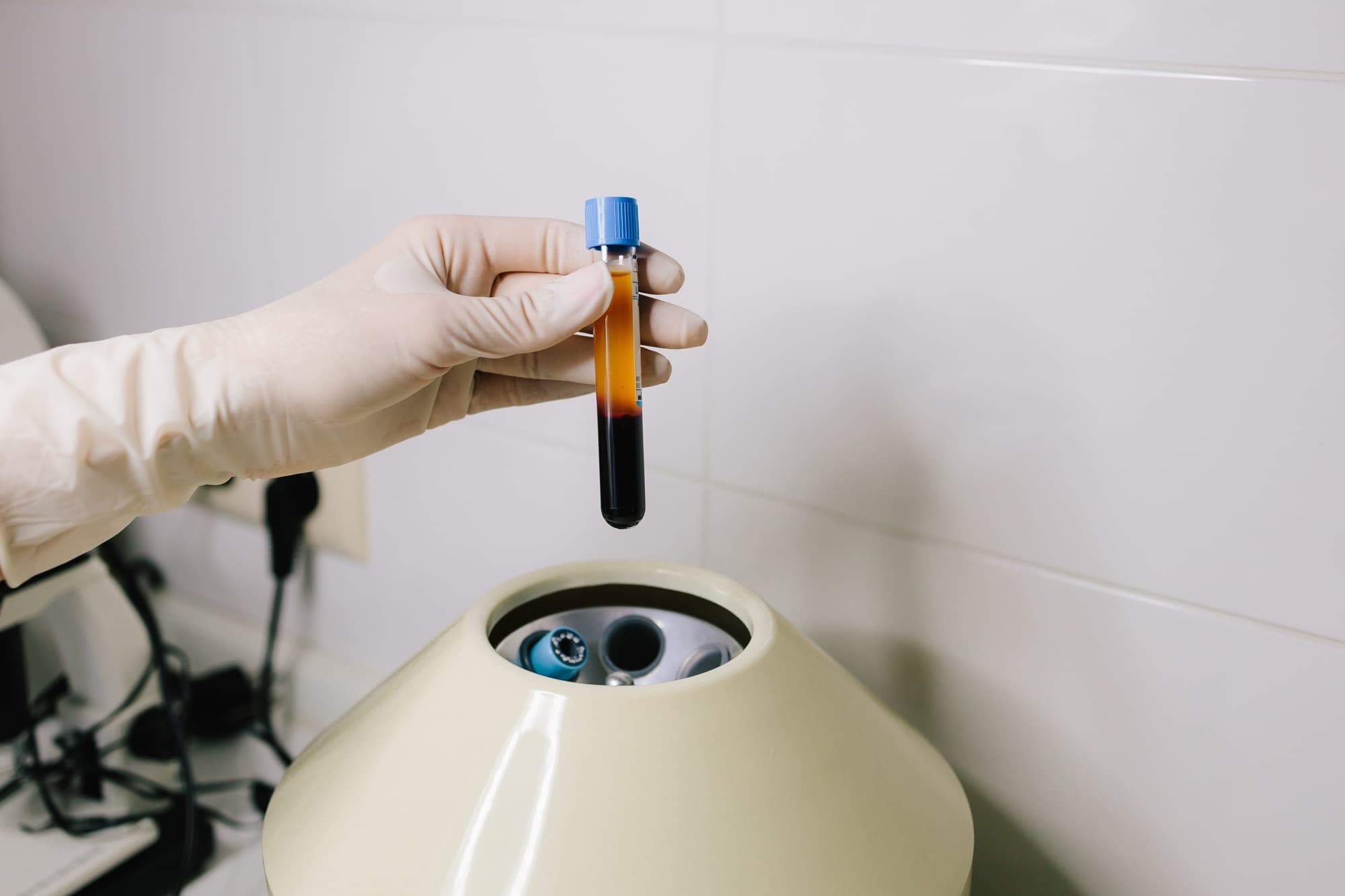
PRP therapy explained in simple terms: we draw a small amount of your blood, spin it in a centrifuge to concentrate the platelets, and inject the platelet-rich solution directly into the injured area.
What’s in PRP? Concentrated platelets (often several times higher than normal blood), the growth factors they release, and plasma proteins.
Often discussed for: tendon and ligament concerns (tennis elbow, rotator cuff, Achilles), and milder joint concerns. Whether it is appropriate for you is determined by a clinical evaluation.
What to expect: The procedure takes about 30–45 minutes. Most patients experience mild soreness for a few days. Individual results vary and are not guaranteed.
BMAC (Bone Marrow Aspirate Concentrate)
BMAC is prepared from bone marrow rather than blood. We draw a small sample of bone marrow — usually from the hip — and concentrate the cellular fraction (including mesenchymal cells) and growth factors within it.
What makes BMAC distinct: Because it is drawn from bone marrow, it contains a population of cells in addition to growth factors — a more cellular preparation than PRP.
Often discussed for: more advanced joint concerns, or cases where a more cellular preparation is being considered. Candidacy is determined by a clinical evaluation.
Important distinction: This is not embryonic cell therapy. BMAC uses your own adult cells — drawn from your own body, processed, and reinjected the same day. There is no donor tissue, and, because the material is your own, minimal risk of rejection.
Additional Procedures
- PPP (Platelet-Poor Plasma) — The platelet-poor fraction separated from the same autologous blood sample, used in-office
- A2M (Alpha-2-Macroglobulin) — A protease-inhibitor protein that occurs naturally in your blood and is concentrated from your own sample
Each plan is individualized. In some cases a provider may combine or sequence procedures.
What Kinds of Concerns Bring Patients In
Patients often come to us researching orthobiologic procedures while dealing with musculoskeletal concerns such as:
- Knee and hip joint pain
- Shoulder concerns
- Tennis elbow and golfer’s elbow
- Plantar fasciitis
- Achilles tendon concerns
- Back and neck pain
- Sports and overuse concerns
Educating you about your condition is part of the evaluation. Whether an orthobiologic procedure is an appropriate option for any given concern is a decision to make with your provider after a clinical evaluation — these procedures are not FDA-approved for the treatment of any specific orthopedic condition.
Questions Patients Commonly Ask
There’s a lot of confusion about orthobiologic procedures. Here are some common questions.
“Are these procedures FDA-approved?”
No. PRP, PPP, BMAC, and A2M are considered investigational and are not FDA-approved for the treatment of any specific orthopedic condition. PRP has been used in clinical settings for many years and continues to be studied in orthopedic and sports medicine.
“Does BMAC use embryonic cells?”
No. BMAC uses your own adult cells from your bone marrow. No embryonic cells, no donor tissue. Your cells, from your body, returned to your body.
“Will I feel better immediately?”
Orthobiologic procedures work with your body’s biology, which takes time. Any changes tend to develop gradually over weeks to months, and individual results vary and are not guaranteed.
“Is this only for athletes?”
No. Our patients are everyday people — office workers, retirees, and active adults alike. You don’t need to be an athlete to ask about these procedures.
“Why doesn’t every clinic offer this?”
Orthobiologic procedures require specialized training, equipment, and protocols. At Innovare Tx, our team has 27 years of medical experience and offers these procedures alongside physical therapy.
Who Might Consider an Orthobiologic Procedure?
These procedures are not right for everyone, and candidacy is always determined by a clinical evaluation. Patients often ask about them when:
- They have joint pain, arthritis, or a tendon/ligament concern
- They’ve tried conservative measures (rest, PT, medications) and are researching other options
- They want to understand the full range of options before making decisions about care
- They want to limit steroid injections
An orthobiologic procedure may not be appropriate if:
- You have an active infection at the treatment site
- You have certain blood disorders or cancers
- You’re on blood thinners that cannot be temporarily paused
- You have unrealistic expectations about instant results
The best way to find out? Schedule a consultation. We’ll review your imaging, medical history, and goals to discuss whether an orthobiologic procedure is an appropriate option for you.
What to Expect During the Procedure
Knowing what to expect makes the experience less intimidating. Here’s a step-by-step look at a typical orthobiologic procedure visit at Innovare Tx.
Before Your Treatment
- Consultation — We review your condition, imaging (X-rays, MRI), and treatment goals.
- Individualized plan — After evaluation, your provider discusses whether PRP, BMAC, or a combination is an appropriate option.
- Pre-procedure instructions — You may be asked to avoid anti-inflammatory medications (NSAIDs) for a few days beforehand, as they can interfere with the body’s inflammatory response.
During Your Procedure
- Blood draw or bone marrow aspiration — Quick and performed under local anesthesia.
- Processing — Your sample is spun in a centrifuge to concentrate the target fraction (takes about 15 minutes).
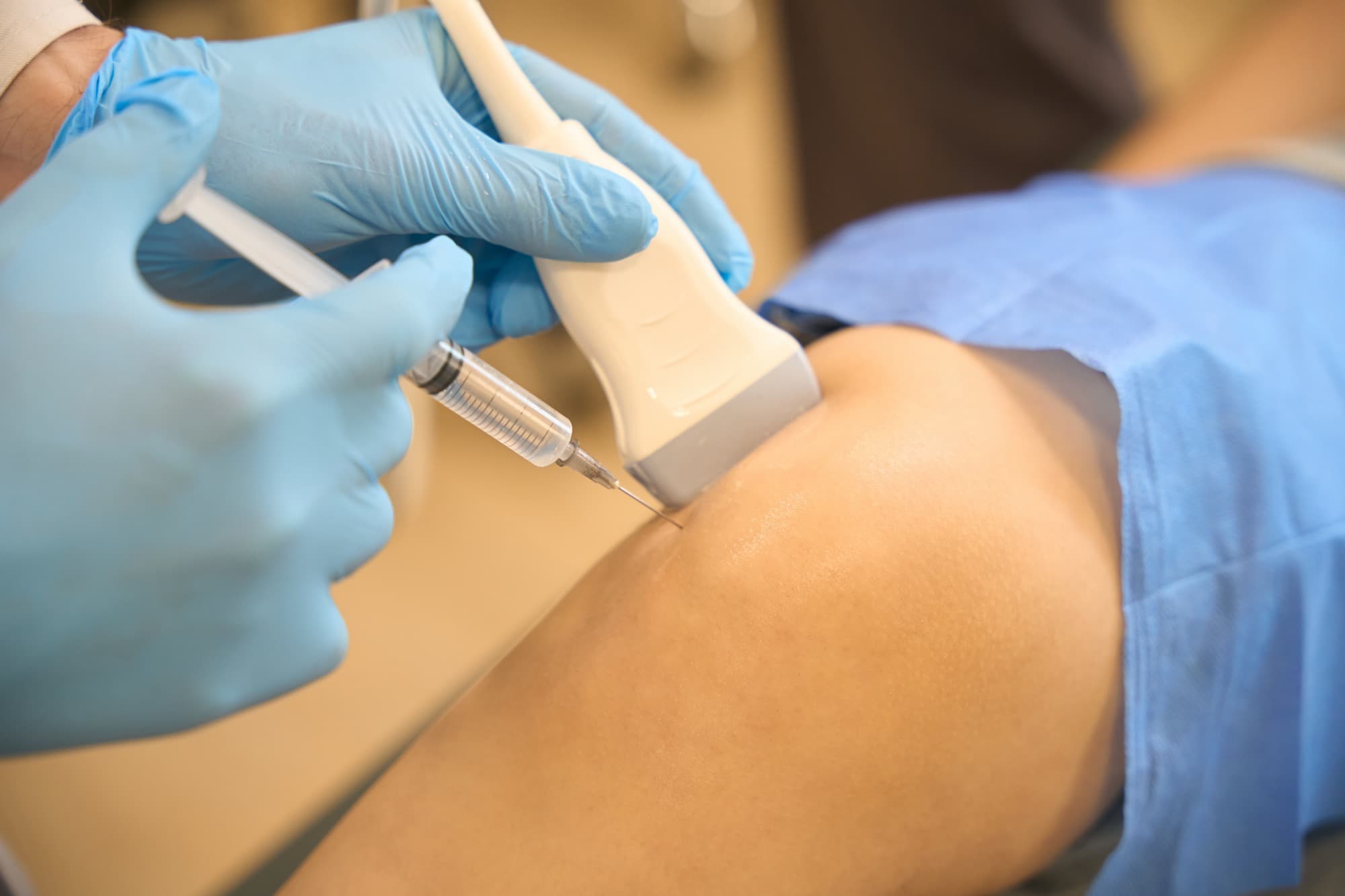
- Precise injection — We use ultrasound guidance to deliver the prepared material to the targeted area.
- Total time: 30–60 minutes depending on the procedure.
After Your Procedure
- Days 1–3: Mild soreness and swelling at the injection site is common as part of the normal inflammatory response.
- Weeks 1–4: Any changes tend to develop gradually.
- Weeks 4–12 and beyond: The body continues its normal remodeling phase. Individual results vary and are not guaranteed.
We also offer a structured physical therapy program. Our physical therapist, Rowena Calleja, PT, works directly with patients post-procedure to build strength and support recovery.
Why Patients Choose Innovare Tx
Here’s what sets us apart in the DFW area:
- 27 years of medical experience — Charles Ortega, PA-C, MPAS, brings nearly three decades of clinical expertise to every treatment plan.
- Integrated care model — Orthobiologic procedures + physical therapy + weight management under one roof. Your providers work together — not in silos.
- Post-procedure PT — Most clinics inject and send you home. We pair every orthobiologic procedure with a customized physical therapy program led by Rowena Calleja, PT.
- In-person medical supervision — We see you, examine you, and monitor your progress face-to-face. No telehealth shortcuts.
- Insurance and financing options — We accept BCBS, Medicare, UHC, and Cigna. Affirm and CareCredit financing available for out-of-pocket costs.
- Military and law enforcement discounts — We’re proud to support those who serve.
Your Next Step
If you’re researching your options and want to understand orthobiologic procedures, a consultation is the place to start.
Schedule a consultation at Innovare Tx to discuss whether PRP, BMAC, or another orthobiologic procedure is an appropriate option for you. Call us at (214) 233-3094, email contact@innovaretx.com, or visit us at 16901 Dallas Parkway, Suite 210, Addison, TX 75001.
What is orthobiologic medicine in simple terms?
Orthobiologic medicine (sometimes called “regenerative medicine”) refers to procedures that use biologic material from your own body — such as platelets and cells from your blood or bone marrow. At Innovare Tx these procedures are autologous. PRP and BMAC are the most common examples.
Are orthobiologic procedures FDA approved?
No. PRP, PPP, BMAC, and A2M are considered investigational and are not FDA-approved for the treatment of any specific orthopedic condition, including osteoarthritis. They use your own biological material processed at the point of care, and whether one is appropriate for you is a decision to make with your provider after a clinical evaluation.
How long does it take to see results from PRP or BMAC?
Any changes tend to develop gradually over weeks to months, because these procedures work on your body’s biological timeline. Individual results vary and are not guaranteed, and some patients may be advised that more than one procedure is appropriate.
Does an orthobiologic procedure hurt?
Most patients describe the procedure as mildly uncomfortable rather than painful. We use local anesthesia to numb the area, and the injection itself takes only a few minutes. You may experience soreness for 2–3 days afterward as part of the normal inflammatory response.
How much does an orthobiologic procedure cost?
Costs vary depending on the procedure (PRP vs. BMAC) and the number of areas addressed. During your consultation at Innovare Tx, we provide a detailed cost breakdown. Because these procedures are considered investigational, most plans do not cover them, though your consultation and imaging may be. We offer Affirm and CareCredit financing.
How does an orthobiologic procedure fit alongside surgery?
That depends entirely on your situation, and only a clinical evaluation with imaging can clarify it. For some structural problems, surgery may be the appropriate path. We’ll give you an honest assessment of your options — orthobiologic procedures are not a substitute for a surgical recommendation when one is warranted.
Who performs orthobiologic procedures at Innovare Tx?
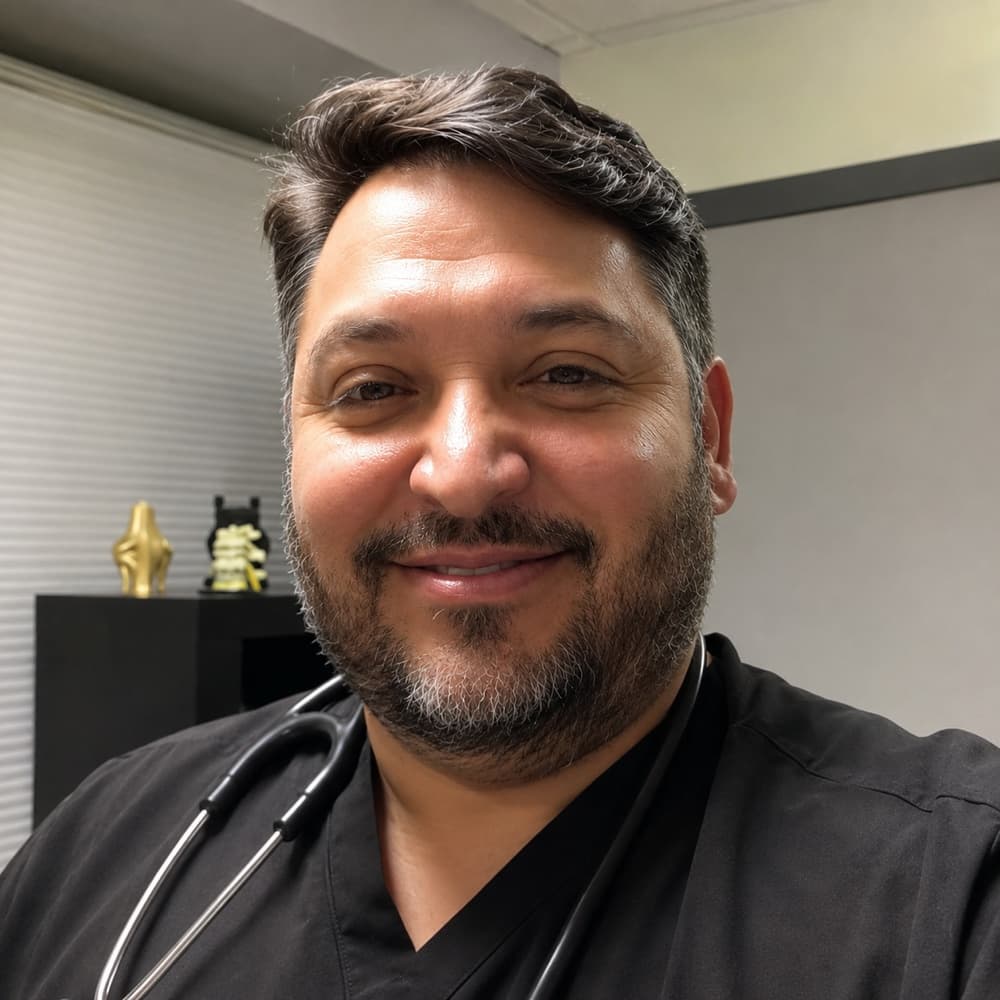
Charles Ortega, PA-C, MPAS, performs all orthobiologic procedures at Innovare Tx. With 27 years of medical experience, board certification, and specialized training, he brings extensive clinical expertise to every procedure. Post-procedure rehabilitation is led by Rowena Calleja, PT. Learn more about our team.
PRP, PPP, BMAC, and A2M are autologous procedures prepared from your own blood or bone marrow. They are considered investigational and are not FDA-approved for the treatment of any specific orthopedic condition, including osteoarthritis. Individual results are not guaranteed. Any decision to pursue an orthobiologic procedure should be made with your provider after a clinical evaluation.