TL;DR: A PRP (platelet-rich plasma) injection takes a small sample of your own blood, concentrates the platelets in a centrifuge, and delivers them back into an injured joint, tendon, or ligament. Those platelets release growth factors that may help restart a stalled healing response. PRP is most studied for tendon injuries, mild-to-moderate osteoarthritis, and sports injuries. At Innovare Tx in Addison, TX, we offer PRP injections as a same-day, in-office procedure as part of our broader orthobiologic medicine program. Any changes develop gradually over weeks, not days, and individual results vary and are not guaranteed.
If a joint or tendon has been aching for months and rest, anti-inflammatories, and steroid injections keep falling short, you may have heard about PRP. It sounds high-tech, but the idea is actually simple: use your body’s own repair signals, concentrated and delivered right where the damage is.
This guide explains what platelet-rich plasma actually is, the biology behind why it may help, which conditions respond best, and what recovery realistically looks like — no hype, just a clear picture from a provider with 27 years of clinical experience.
What Is Platelet-Rich Plasma?
Your blood is made of four main components: red blood cells, white blood cells, plasma (the liquid), and platelets. Most people know platelets for clotting, but they do something else just as important — when tissue is injured, platelets release a burst of growth factors, the signaling proteins that tell nearby cells to repair, rebuild, and recruit reinforcements.
Platelet-rich plasma is exactly what it sounds like: plasma with the platelet count concentrated well above what circulates in normal blood (often several times higher). By delivering a concentrated dose directly to an injury, we aim to give the area far more repair signal than it could ever mount on its own.
What’s Actually Inside a PRP Injection?
A prepared PRP sample is rich in:
- Concentrated platelets — typically 3–5x baseline, the engine of the treatment.
- Growth factors — proteins such as PDGF, TGF-β, VEGF, and others that stimulate cell multiplication, new blood vessel formation, and tissue remodeling.
- Plasma proteins — the natural fluid environment that helps the growth factors do their work.
- Anti-inflammatory and signaling molecules — that may help calm the chronic, low-grade inflammation that keeps an old injury stuck.
Because PRP is made entirely from your own blood, there is no donor material and no risk of rejection.
How PRP Triggers Healing
In a healthy acute injury, your body runs a predictable healing cascade: inflammation, then repair, then remodeling. In many chronic conditions — a degenerating tendon, an arthritic knee — that cascade stalls. The tissue stays stuck in a low-grade inflammatory loop without ever completing the repair.
The goal of PRP is to restart and amplify that cascade. Once injected, the platelets:
- Release growth factors that signal local cells to begin repairing.
- Recruit reparative cells to the injury site.
- Encourage new blood vessel formation, improving the blood supply tendons and cartilage notoriously lack.
- Are involved in collagen production as part of the body’s normal remodeling over time.
This is biology, not magic — and biology takes time, which is why any changes after PRP develop over weeks and months rather than overnight. Individual results vary and are not guaranteed.
What the PRP Procedure Looks Like
A typical PRP visit at Innovare Tx is straightforward and usually takes under an hour:
- Blood draw — a small sample is taken, much like routine bloodwork.
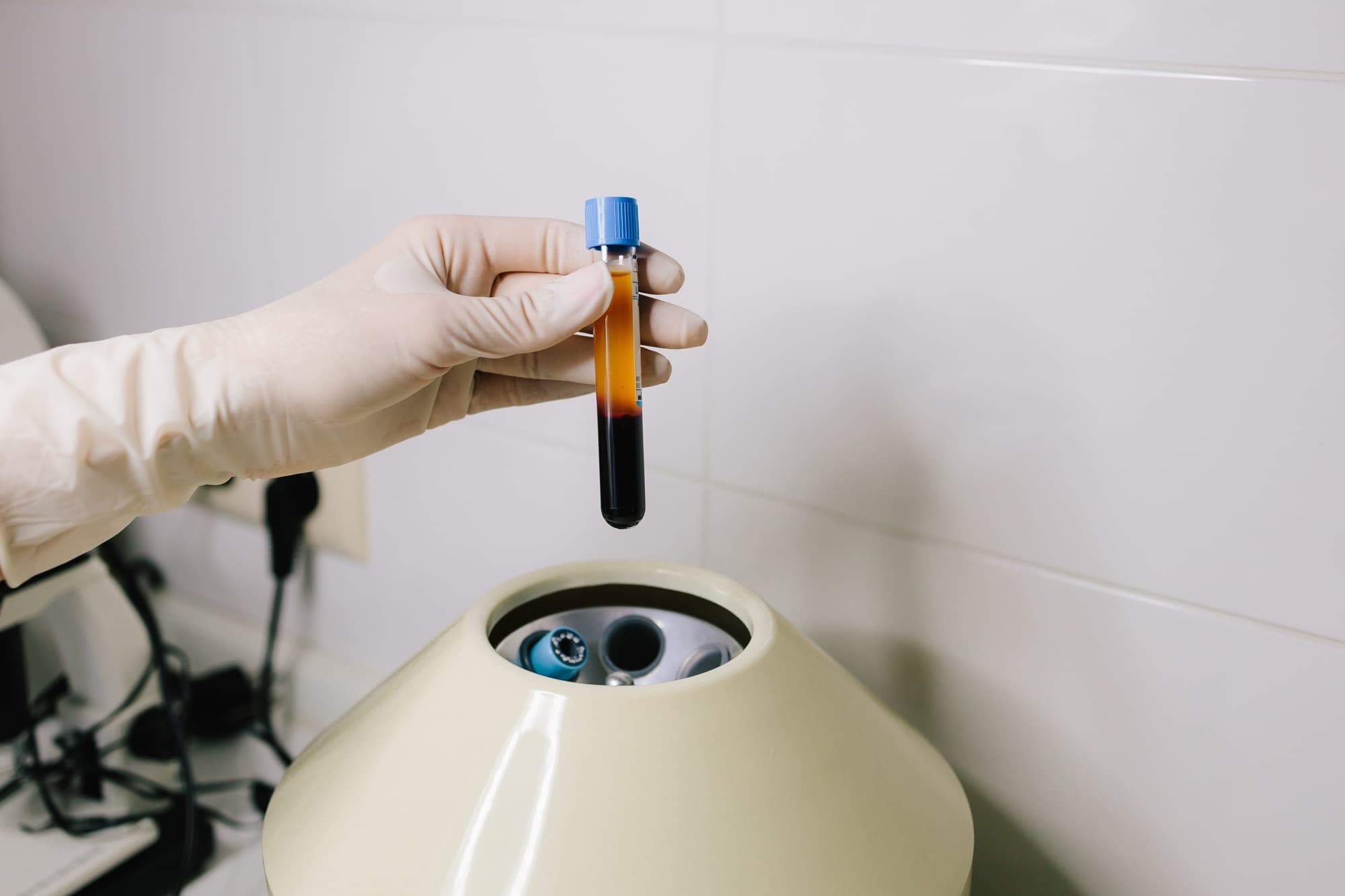
- Centrifugation — the sample is spun to separate and concentrate the platelets (about 15 minutes).
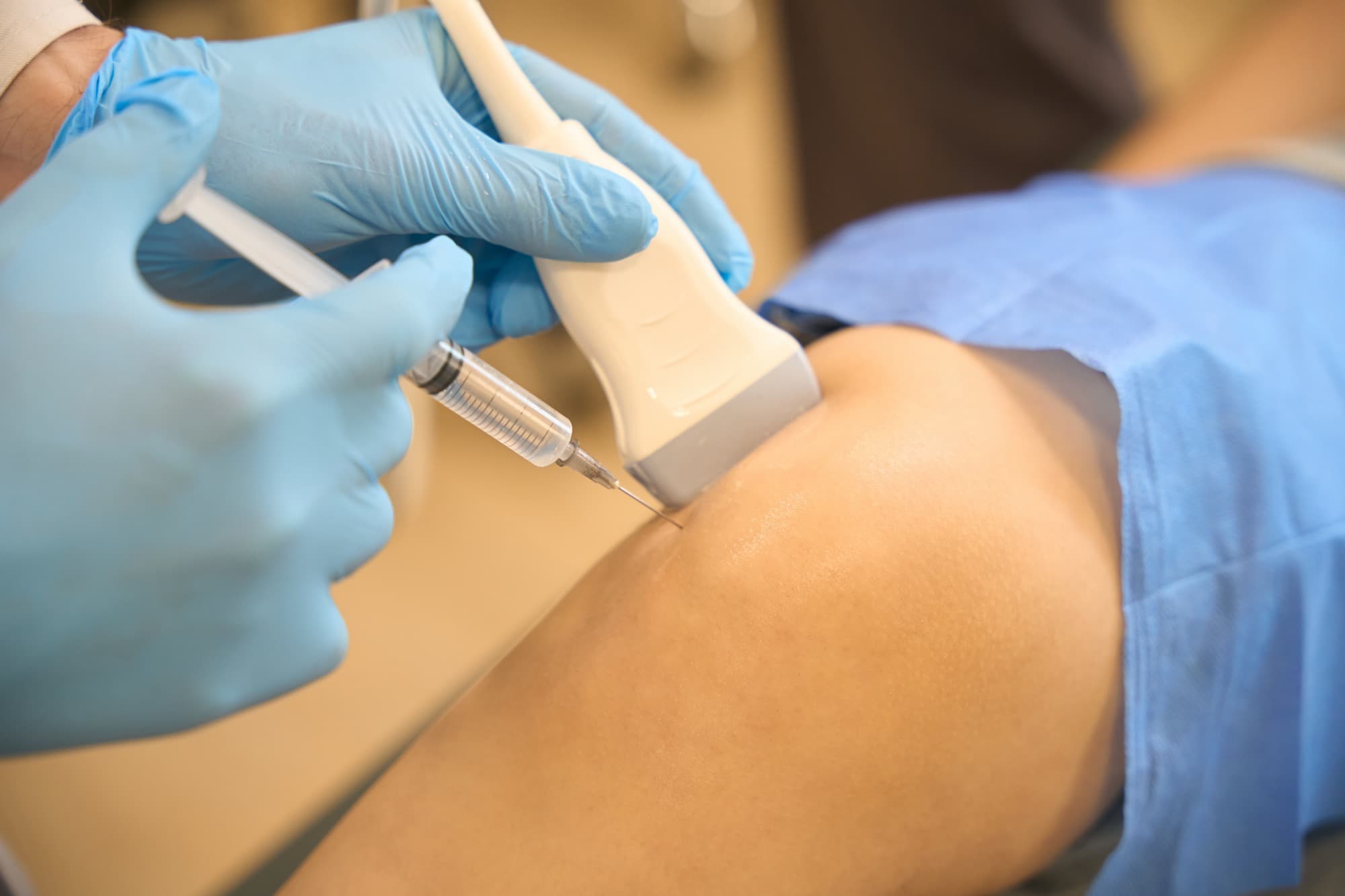
- Guided injection — the concentrated plasma is injected into the target area, often using ultrasound guidance for precise placement.
We use local anesthetic for comfort, and most patients describe the experience as mildly uncomfortable rather than painful.
Which Conditions Is PRP Most Studied For?
PRP is not a cure-all, but it has been most studied in the setting of musculoskeletal conditions, including:
- Tendon injuries — tennis elbow, golfer’s elbow, patellar tendinopathy, Achilles tendinopathy, and rotator cuff tendon issues.
- Mild-to-moderate osteoarthritis — especially of the knee.
- Ligament sprains and chronic soft-tissue injuries.
- Plantar fasciitis and other stubborn overuse injuries.
- Sports injuries in active adults.
For more advanced cartilage loss or severe degeneration, a more cellular approach such as BMAC may be a better fit — something we cover in detail in our BMAC vs PRP comparison.
What Recovery Looks Like
Knowing the timeline helps set realistic expectations. A common pattern after a PRP injection is:
- Days 1–3: mild soreness and swelling at the injection site. This is expected — it’s the healing response activating, and we generally ask you to avoid anti-inflammatory medications during this window so they don’t blunt it.
- Weeks 1–4: the soreness settles and a gradual reduction in pain and stiffness begins.
- Weeks 4–12: most patients report their most meaningful improvement.
- Months 3–6+: continued tissue remodeling and strengthening.
Some conditions benefit from more than one treatment. We also pair PRP with targeted physical therapy, because loading the healing tissue correctly is what turns a biological signal into lasting, functional improvement.
Is PRP right for me?
PRP may be worth asking about if you have a tendon, ligament, or mild-to-moderate arthritic concern that hasn’t fully responded to rest, physical therapy, or medication. It is less suitable if you have an active infection at the site, certain blood disorders, or expect an overnight fix. A clinical evaluation with imaging review is the best way to determine whether it is an appropriate option for you.
Does a PRP injection hurt?
Most patients find the procedure mildly uncomfortable rather than painful. We numb the area with local anesthetic, and the injection itself takes only a few minutes. Expect 2–3 days of soreness afterward, which is a normal response to the injection.
How long until PRP works?
Many patients begin noticing improvement around 4–6 weeks, with continued progress over 3–6 months. PRP works on your body’s biological timeline, so it rewards patience. Depending on the condition’s severity, more than one treatment may be recommended.
Is PRP made from someone else’s blood?
No. PRP is prepared entirely from your own blood, drawn the same day, concentrated, and injected back into you. There is no donor material and, because the material is your own, minimal risk of rejection. To learn how PRP fits alongside other options, see our orthobiologic medicine overview or contact us at (214) 233-3094.
PRP, PPP, BMAC, and A2M are autologous procedures prepared from your own blood or bone marrow. They are considered investigational and are not FDA-approved for the treatment of any specific orthopedic condition, including osteoarthritis. Individual results are not guaranteed. Any decision to pursue an orthobiologic procedure should be made with your provider after a clinical evaluation.