
Rotator cuff & shoulder pain care in Addison
A partial rotator cuff tear, impingement, or chronic shoulder ache deserves a careful look. At Innovare Tx, we evaluate the shoulder and offer conservative options — integrated physical therapy and autologous orthobiologic procedures — coordinating a surgical referral when the imaging calls for it.
Why shoulders hurt — and stay hurt
The shoulder trades stability for an enormous range of motion, which leaves the rotator cuff — four tendons that hold and move the joint — vulnerable to wear and injury. Because tendon tissue has a limited blood supply, shoulder injuries often recover slowly on their own, and pure rest can leave you stiff and weak. That's why a nagging shoulder rarely resolves by waiting it out.
Common causes of shoulder pain
- Rotator cuff tears & tendinopathy — partial tears and chronic tendon degeneration that cause pain with reaching and overhead motion.
- Impingement — pinching of the cuff tendons under the shoulder blade, often with a painful arc of motion.
- Bursitis — inflammation of the cushioning bursa.
- Biceps tendinitis — front-of-shoulder pain from the long head of the biceps tendon.
- Frozen shoulder & arthritis — adhesive capsulitis and glenohumeral or AC-joint osteoarthritis.
Symptoms worth evaluating
- Pain reaching overhead or behind your back
- Trouble sleeping on the affected side
- Weakness lifting or carrying
- A painful “catch” or arc partway through raising the arm
- Stiffness and lost range of motion
- Clicking, popping, or a deep ache that lingers
Your options at Innovare Tx
We build your plan around what the exam and MRI actually show. Options include physical therapy and rehabilitation as well as autologous orthobiologic procedures, described below.
PRP injections
Platelet-rich plasma (PRP) is a concentration of platelets prepared from a small sample of your own blood, delivered by injection with image guidance in the same visit. It is an autologous, minimally manipulated procedure we offer at Innovare Tx. Explore PRP injections
BMAC — bone marrow aspirate concentrate
BMAC is prepared from your own bone marrow. A small aspirate is drawn under local anesthetic, concentrated, and delivered by image-guided injection — an autologous, same-day procedure with no donor tissue. Learn about BMAC
Integrated physical therapy
The rotator cuff has to be retrained, not just rested. Rowena Calleja, PT designs a shoulder-specific program — restoring motion, rebuilding cuff and scapular strength, and correcting mechanics — as standard care coordinated with the rest of your plan. See our physical therapy program
PRP, PPP, BMAC, and A2M are autologous procedures prepared from your own blood or bone marrow. They are considered investigational and are not FDA-approved for the treatment of any specific orthopedic condition, including osteoarthritis. Individual results are not guaranteed. Any decision to pursue an orthobiologic procedure should be made with your provider after a clinical evaluation.
How candidacy is determined
- A clinical evaluation reviews your imaging and history
- Partial-thickness rotator cuff tears or tendinopathy are discussed
- Impingement, bursitis, or biceps tendinitis are considered
- Mild-to-moderate shoulder arthritis is assessed
- Anyone willing to commit to a rehab program
Full-thickness tears with significant retraction, or shoulders with advanced structural damage, may still require surgical repair. We'll review your imaging honestly and refer you when surgery is the right answer.
What to expect at your visit
Your first visit is a thorough evaluation with history, exam, and a review of your imaging. If an orthobiologic procedure is an appropriate option, it is a same-day, in-office procedure. Your provider reviews aftercare and follow-up, and physical therapy runs alongside throughout. Individual results are not guaranteed.
Why the one-roof model helps your shoulder
At Innovare Tx, your care and your rehab aren't handed off to strangers in separate buildings. Charles Ortega, PA-C and Rowena Calleja, PT coordinate directly so your therapy is matched to your evaluation. That integration — plus a provider who knows your full health picture — keeps your plan unified.
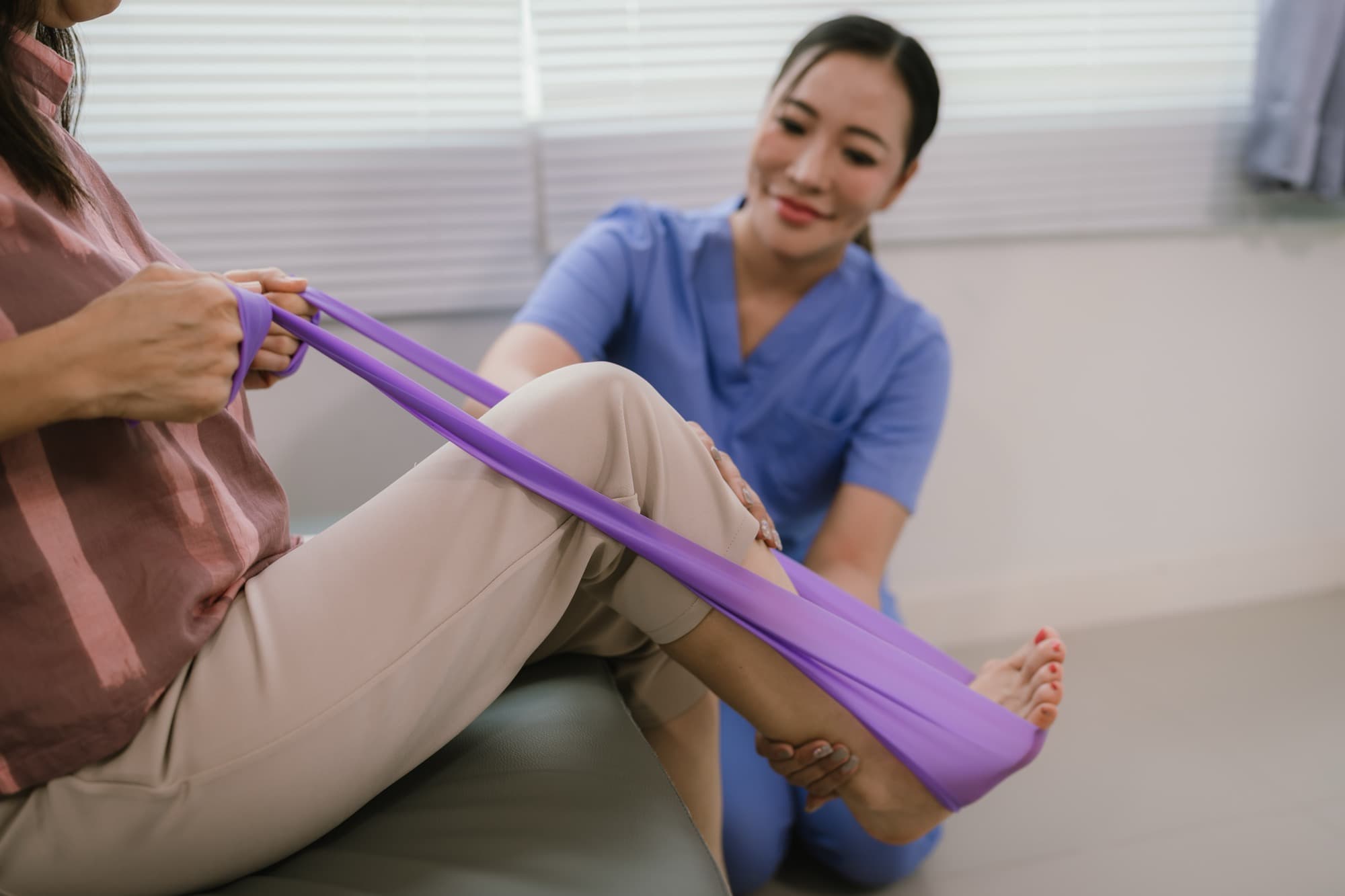
A coordinated approach to your shoulder
Any orthobiologic procedure and targeted physical therapy are coordinated under one roof so the cuff and scapular work matches your plan. We'll walk through how these in-office options differ from surgery in invasiveness and recovery.
New to this approach? What are orthobiologic procedures?
Shoulder & rotator cuff FAQs
Dealing with more than one painful joint? Explore our arthritis & joint pain care.
Ready for a shoulder evaluation?
Book an evaluation at our Addison clinic — we'll assess the source of your shoulder pain and map out your options.