
Everything we have written about knees
The program pages, fifteen articles, and the three short lists worth reading before any knee appointment — what to bring, what to ask, and what not to wait on.
The program, step by step
Pages covering the whole pathway, from the first evaluation to the referrals we make.
Your knee evaluation
What the first visit covers, what to bring, and what you walk out knowing.
ReadKnee physical therapy
The guideline-backed core of knee care — exercise therapy, offloading and load management with Rowena Calleja, PT.
ReadThe covered injection series
The insurance-covered step: which injections, the series of up to five per knee, and how often plans allow it.
ReadOrthobiologic options
PRP, PPP, BMAC and A2M explained as procedures: autologous, minimally manipulated, image-guided, same day.
ReadGenicular artery embolization
What GAE is, who performs it, what the evidence says, and how we evaluate and refer.
ReadAre you a candidate?
Who the program suits, who it does not, and the findings that send you elsewhere.
ReadCosts & insurance
What bills to insurance, what is cash-pay, and how we verify your benefits before you come in.
ReadThree short lists
Print them, screenshot them, or just read them once. They make a 45-minute visit go further.
What to bring
- Knee X-ray or MRI reports — the written report, not only the images
- Operative notes from any previous knee surgery
- The dates of any injections you have had into the knee
- Your current medication list, including blood thinners
- Insurance card and photo ID
- Shorts, or clothing you can roll above the knee
What to ask
- What do you think is actually generating my pain?
- Which findings on my imaging are relevant, and which are just common at my age?
- What is the plan for the next six to twelve weeks, and when do we reassess it?
- What are we measuring, so we can tell whether it worked?
- What is covered by my insurance, and what is cash-pay?
- What happens if this does not work — what is the next step?
Do not wait on these
- A hot, swollen, very painful knee with fever or feeling unwell
- A newly swollen, warm or tender calf
- A knee that has locked and will not straighten
- Inability to bear weight after an injury
Call (214) 233-3094 for a same-day assessment, or go to an emergency room. For a medical emergency, call 911.
15 articles on knees
Written by Charles Ortega, PA-C and Rowena Calleja, PT. Where a major guideline has a position, we name it.


Five Questions to Ask Before You Book a Genicular Artery Embolization
Genicular artery embolization is a procedure you may see advertised for knee pain. Five questions to ask any clinic about the evidence, risks and who it is for.
The Knee Injections You Will Be Offered, and What Each One Actually Is
Corticosteroid, hyaluronic acid, PRP, BMAC and A2M described by what they are and where each sits with the guidelines. PRP, BMAC and A2M are investigational.
What the Grade on Your Knee X-Ray Actually Means
Kellgren-Lawrence grades 0 to 4, what each one describes, and why the grade and the pain so often disagree.
Your MRI Says Meniscus Tear. Here Is What That Does and Does Not Mean
Degenerative meniscal tears are common in knees that do not hurt. Questions to ask about whether yours is the problem or the background.
Quadriceps Weakness: A Common Finding in a Painful Knee
Why the thigh muscle can weaken quickly, why it may not fully come back on its own, and what loading it looks like.
A Swollen Knee: What Can Wait Until Monday, and What Cannot
Many swollen knees can wait for a scheduled visit. Some are emergencies. The features that separate them, and the rules used to decide who needs an X-ray.
What a 5% Weight Change Means for an Arthritic Knee
Weight loss is one of a short list of strong recommendations for knee osteoarthritis. What the guideline actually says, and why the first 5% is the part that gets quoted.
Braces and Canes for Knee Arthritis: Unglamorous, and Still Worth Asking About
Knee bracing is a conditional guideline recommendation for knee OA and cane use a good practice statement. Which one, which hand, and why people refuse them.
How to Prepare for an Autologous Orthobiologic Procedure
What the appointment involves, what to ask beforehand, what to arrange for the day, and the questions worth asking any clinic that offers one.
Knee Injuries on a Federal Job: CA-1, CA-2 and the Co-Signature Rule
Which form your knee injury belongs on, how continuation of pay works, the CA-16 clock, and the FECA rule about who has to sign the medical report.
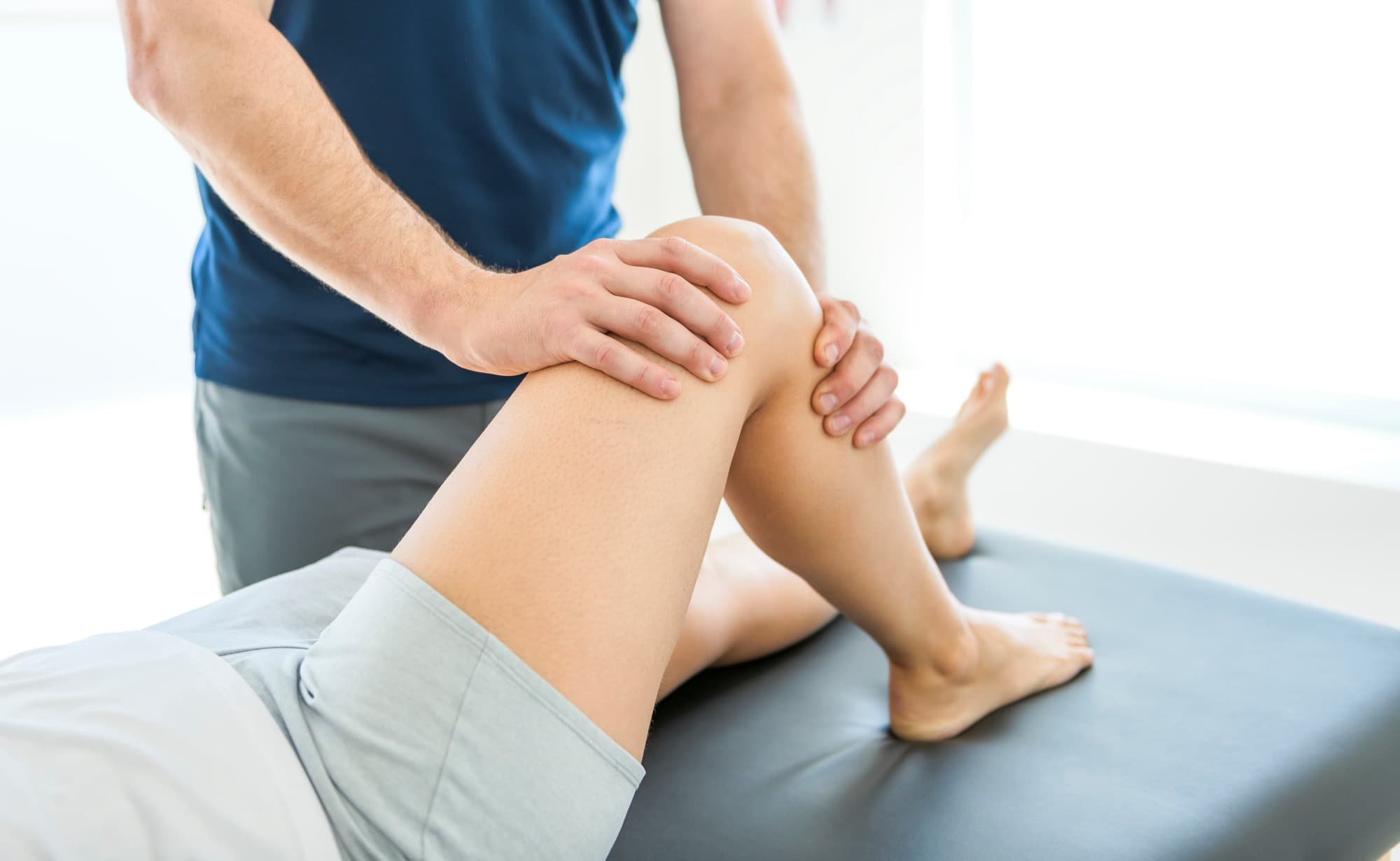
Non-Surgical Care Options for Knee Pain in Dallas
From physical therapy to investigational autologous procedures like PRP and BMAC: an overview of the non-surgical care options people consider for knee pain.
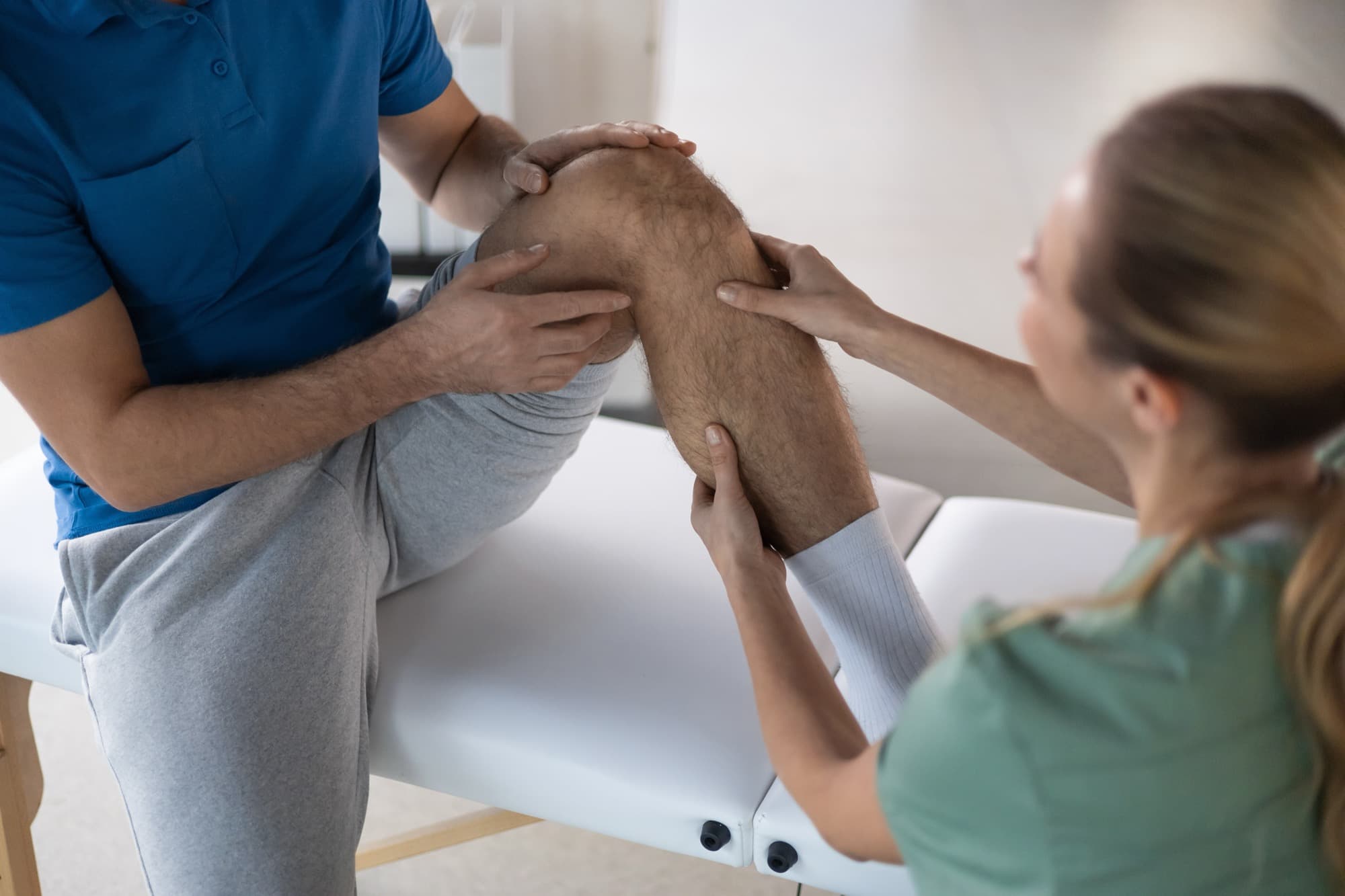
PT vs. Surgery: What Studies Found, and When Surgery Fits
What published studies found for knee, shoulder, back and wrist problems, their limits, and when surgery may be needed.
BMAC vs PRP: Comparing Two Autologous Orthobiologic Procedures
PRP and BMAC are both autologous orthobiologic procedures prepared from your own biology — but they're not the same. A side-by-side comparison of how they differ.
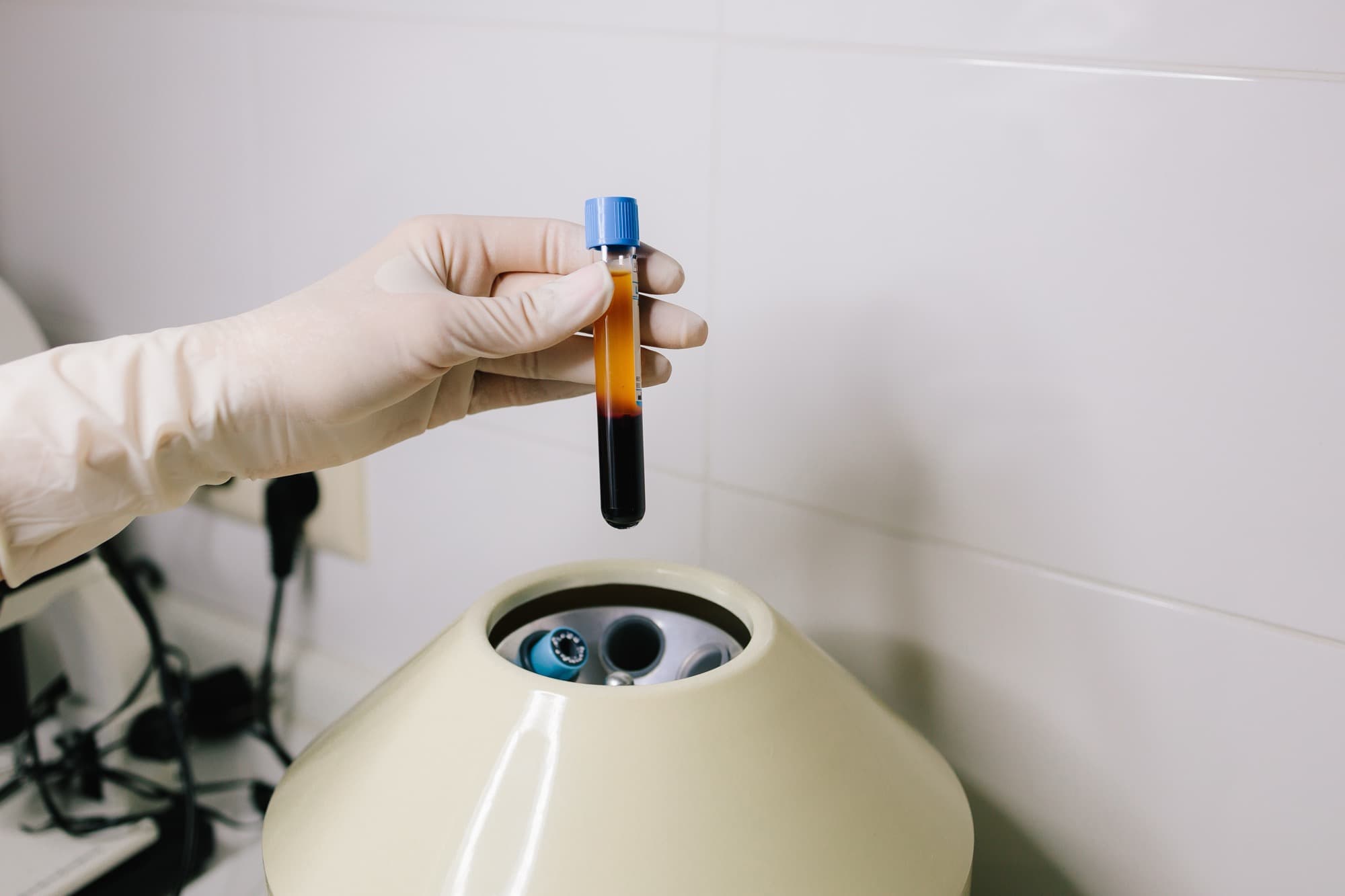
How PRP Injections Are Prepared and Performed
What's in a PRP injection, how it's prepared and performed with image guidance, and what to expect afterward. PRP is investigational.
Physical Therapy After Knee or Shoulder Surgery: The First 12 Weeks
Why the protocol outranks how you feel, what each phase is for, and the mistakes that can set recovery back.
Look something up
Knee resource hub
Every knee guide, checklist and article in one place.
Knee questions answered
The long-form answers to the questions patients actually ask about knee care.
Knee & orthobiologic glossary
Plain-English definitions for the terms on your imaging report and in our copy.
Related pages on this site
Ready to talk through your options?
Book your visit at our Addison clinic — or call and we’ll verify your insurance before you come in.